

Experiencing the Sukamade Turtle Release & Conservation
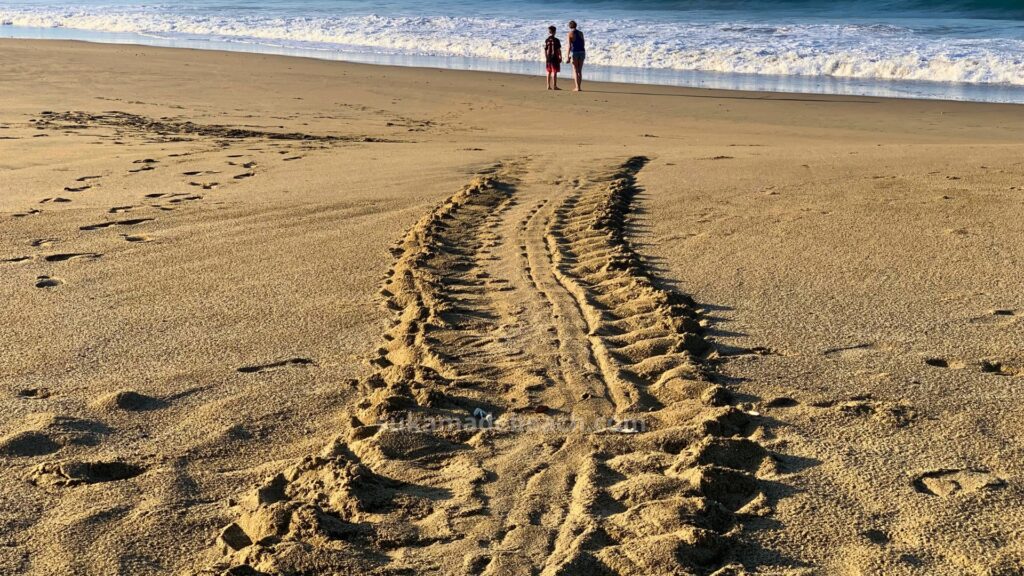
The Ultimate Guide to Sukamade Turtle Conservation: A Life-Changing Wildlife Experience Deep within the rugged wilderness of Meru Betiri National Park in East Java lies a sanctuary that feels frozen in time. Sukamade Beach is not your typical tropical getaway; it is one of Indonesia’s most vital nesting grounds for giant sea turtles. For travelers seeking a profound connection with nature, participating in the Sukamade turtle conservation program is an experience that resonates long after the sand has been washed away. The Rugged Journey to the Sanctuary The adventure begins long before you sight the ocean. Reaching Sukamade requires a sturdy 4WD vehicle and a spirit for adventure. You will navigate through dense tropical rainforests, cross rocky rivers, and pass through sprawling cocoa and rubber plantations. This “off-road” approach acts as a natural barrier, preserving the seclusion of the sanctuary and setting the stage for a truly raw wildlife encounter. A Midnight Tryst: Witnessing the Nesting Ritual The heart of the Sukamade experience happens under the cloak of darkness. Guided by expert park rangers, visitors are led to the beach in near-total silence. The rules are strict: no flash photography and no bright lights. This ensures the Green Sea Turtles (Chelonia mydas), which can weigh up to 150kg, feel safe enough to emerge from the surf. Watching a prehistoric creature laboriously dig a nest and lay hundreds of eggs is a humbling sight. It is a grueling, ancient process that reminds us of the delicate persistence of life. The rangers carefully collect the eggs to move them to a protected hatchery, shielding them from natural predators and ensuring a higher survival rate. Hope in the Palm of Your Hand: Releasing the Hatchlings The following morning offers a shift from the solemnity of the night to pure joy. Visitors are invited to participate in the baby sea turtle release (locally known as tukik). Before the release, rangers provide an educational briefing on the challenges these hatchlings face—statistically, only one in a thousand survives to adulthood. Holding a tiny, energetic hatchling and watching it instinctually dash toward the roaring Indian Ocean is a moment of pure magic. It is a powerful lesson in conservation, transforming a simple tourist activity into a meaningful contribution to global biodiversity. Essential Tips for Your Sukamade Trip To ensure an ethical and enjoyable visit, keep these tips in mind: Respect the Rangers: They are the guardians of this ecosystem. Always follow their lead regarding light and noise levels. Pack Light but Smart: Bring a jacket (it gets chilly at night), insect repellent, and sturdy walking shoes. Embrace the Digital Detox: There is virtually no cellular signal in Sukamade. Use this time to disconnect from the grid and reconnect with the earth. Sustainable Mindset: Bring a reusable water bottle and ensure you leave no trace of waste behind. Conclusion: More Than Just a Destination The Sukamade Turtle Conservation experience is a testament to the beauty of ethical eco-tourism. It challenges the traveler to look beyond the “Instagrammable” moment and participate in something larger than themselves. If you are planning a trip to Banyuwangi, Sukamade is an essential pilgrimage for anyone who values the preservation of our planet’s most magnificent species. Experiencing the Sukamade Turtle Release & Conservation
Reproduction of Green Turtles at Sukamade Beach

E Green Turtles at Sukamade Beach Sukamade Beach, located in the Meru Betiri National Park in East Java, Indonesia, is one of the most important nesting sites for green turtles (*Chelonia mydas*) in Southeast Asia. This secluded beach, with its pristine sands and lush surroundings, provides an ideal environment for the reproduction of these magnificent marine creatures. The life cycle of green turtles at Sukamade Beach is a fascinating process that highlights the delicate balance of nature and the importance of conservation efforts. Green turtles are known for their long migrations across oceans, but they return to the same beaches where they were born to lay their eggs. This phenomenon, known as natal homing, is a remarkable aspect of their life cycle. Sukamade Beach, with its calm waters and minimal human disturbance, serves as a safe haven for female green turtles to come ashore and nest. The nesting season at Sukamade typically occurs between April and October, with peak activity during the dry season. The reproduction process begins when female green turtles emerge from the ocean under the cover of darkness. They carefully crawl up the beach, using their powerful flippers to move across the sand. Once they find a suitable spot, they begin to dig a nest using their hind flippers. This process can take up to an hour, as the nest must be deep enough to protect the eggs from predators and environmental factors. A single female can lay between 80 to 120 eggs in one nest, which she then covers with sand to conceal it. After laying her eggs, the female turtle returns to the ocean, leaving the eggs to incubate for approximately 45 to 70 days. The temperature of the sand plays a crucial role in determining the sex of the hatchlings. Warmer temperatures tend to produce more females, while cooler temperatures result in more males. This delicate balance is essential for the survival of the species, and it underscores the importance of preserving natural nesting habitats like Sukamade Beach. When the time comes, the hatchlings emerge from the nest, usually at night, and instinctively make their way toward the ocean. This journey is perilous, as they are vulnerable to predators such as crabs, birds, and even larger fish. Only a small percentage of hatchlings survive to adulthood, which is why the protection of nesting sites is critical. At Sukamade Beach, conservation programs are in place to monitor nests, protect hatchlings, and ensure that as many turtles as possible reach the ocean safely. The life cycle of green turtles at Sukamade Beach is a testament to the resilience of these ancient creatures. However, their survival is threatened by human activities such as coastal development, pollution, and climate change. Conservation efforts at Sukamade, including beach patrols, nest relocation, and community education, are vital to ensuring that green turtles continue to thrive in this unique ecosystem. By protecting Sukamade Beach and its inhabitants, we are not only preserving a natural wonder but also contributing to the health of our oceans and the planet as a whole.